Home
Helping conservation nonprofits strengthen donor relationships
If you’re responsible for helping people care more deeply about your conservation mission, you’re in the right place.
Whether your title is CEO, Development Director, Director of Philanthropy, Major Gifts Officer, Planned Giving Officer, or Communications Director, your work has a major challenge:
Helping supporters feel an emotional connection strong enough that they remain involved for years. For life.
I help conservation organizations like yours grow emotional connections with supporters – by telling stories.
The right kind of stories.
Stories that can become part of the legacy of your organization.
Stories that help people care.
Stories that move people to give.
Did you know that stories helped create one of the world’s most influential conservationists?
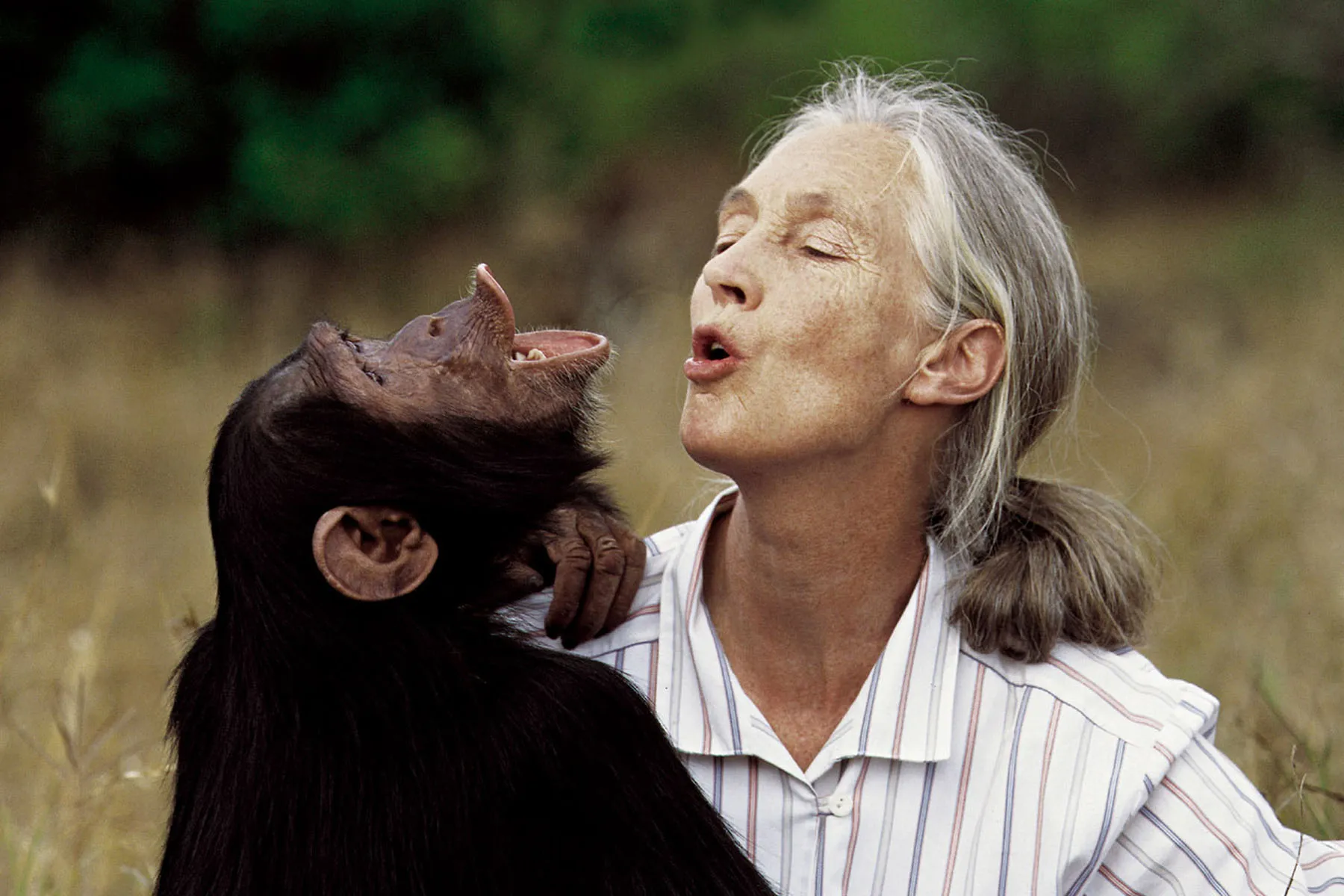
Jane Goodall was inspired by stories before she ever saw Africa
She repeatedly said that long before she ever saw Africa, she lived there in her imagination.
As a child, she devoured:
- The Story of Doctor Dolittle
- Tarzan of the Apes
- countless animal stories
Tarzan fascinated her—not because of the hero—but because he lived among wild animals.
She later recalled that after reading those books she became determined that someday she would go to Africa.
Without those stories…
…there may never have been Jane Goodall at Gombe.
Stories → Emotional Connection → Lasting Relationships
Stories are people-changers
The human brain is naturally drawn to stories.
Stand-alone facts and statistics? Not so much.
For thousands of years, stories have shaped what people believed, whom they trusted, and what they cared enough to protect.
That hasn’t changed.
Modern neuroscience is revealing why stories are so powerful—and why they are uniquely capable of awakening empathy, emotional connection, and even generosity
Stories → Emotional Connection → Trust → Commitment → Generosity
Stories inspire generosity
Facts inform us. Stories move us.
Modern psychology and neuroscience have shown that the human brain responds to stories very differently than it responds to isolated facts and statistics. While numbers are processed analytically, stories invite us to step into another person’s experience. We begin to imagine what they see, feel what they feel, and understand why something matters. Instead of merely learning about a cause, we begin to care about it.
Research suggests that stories activate many regions of the brain involved in emotion, memory, imagination, and empathy. They help us remember information longer, create emotional connection, and give abstract ideas a human face. When we encounter a compelling story, we aren’t simply collecting information—we’re experiencing it. That experience is often what transforms passive awareness into genuine concern.
For nonprofit organizations, this matters enormously. People rarely devote their time, advocacy, or philanthropy because they memorized a statistic. They give because they formed a relationship—with a mission, with a place, or, most often, with another human being. Stories help create that relationship by answering a simple question: Why does this matter to someone like me?
That’s why I write Wonderkeeper stories. Every conservation organization is filled with remarkable people whose lives were changed by an encounter with the natural world. Their stories awaken curiosity. They kindle empathy. They remind supporters why they first fell in love with wildlife themselves. And when people feel that emotional connection, generosity often follows—not because they were persuaded, but because they were inspired.
Stories help people:
- See the human heart behind a mission.
- Feel empathy instead of simply understanding facts.
- Remember your message long after statistics are forgotten.
- Strengthen their emotional connection to your organization.
- See themselves as part of the story—and part of its future.
Stories don’t convince people to care. They awaken the caring that was already there.
Whose stories? Wonderkeeper stories
Believe it or not, some of the most inspiring conservation stories aren’t about celebrities or famous explorers.
They’re about ordinary people.
A retired marine biology professor.
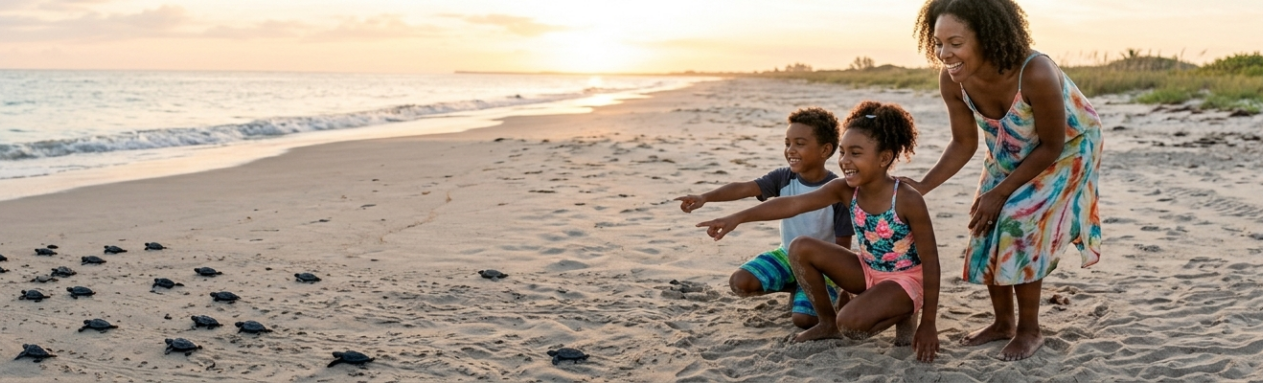
A volunteer who counts sea turtle nests before sunrise.
A birder who has returned to the same marsh for forty years.
A field biologist sleeping in a tent beneath unfamiliar stars.
A recreational scuba diver who fell in love with coral reefs.
A wildlife photojournalist.
A child who never forgot the first elk they ever saw.
On the surface, they seem like ordinary people living ordinary lives.
But something happened.
A moment of wonder. An encounter with beauty. An unforgettable experience in the natural world.
And that experience quietly changed them.
It shaped who they became, what they valued, and how they chose to leave the world better than they found it.
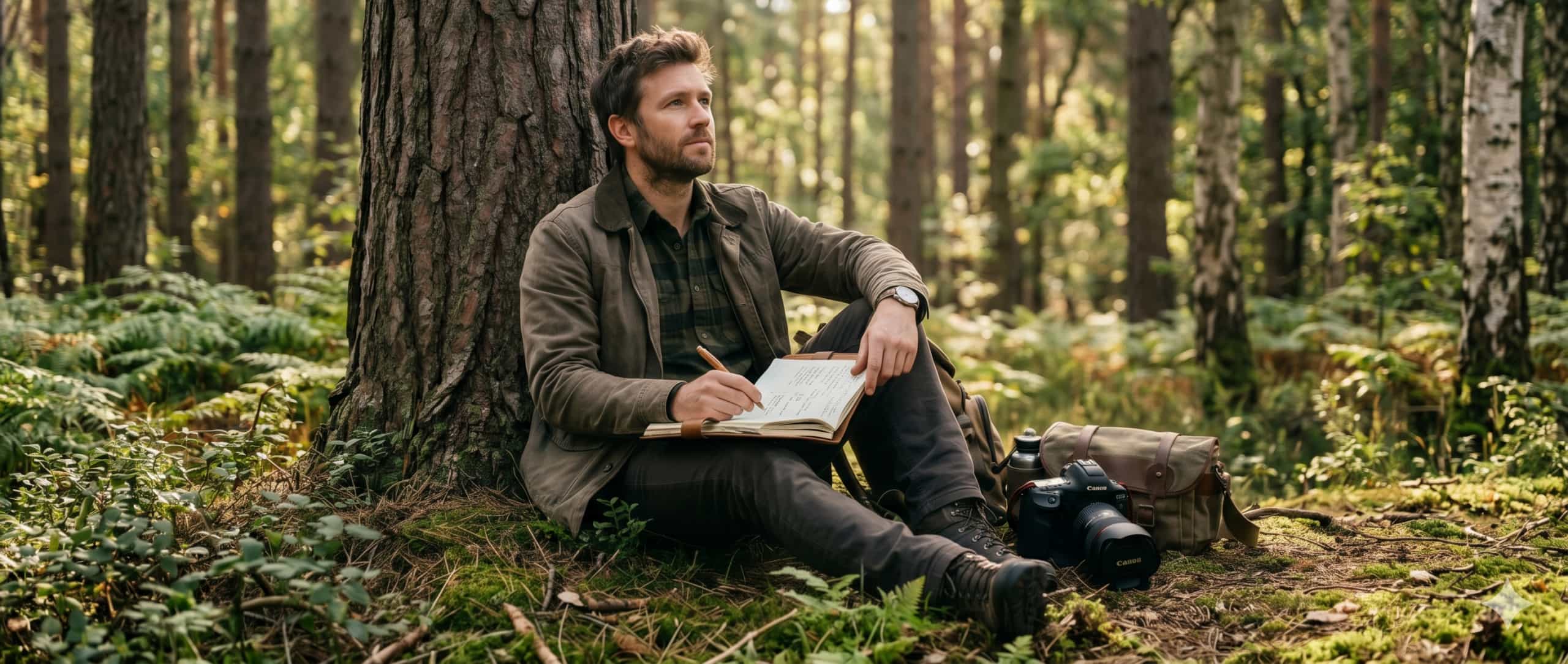
I call these people Wonderkeepers.
Every Wonderkeeper’s story is different. Every path into conservation is unique. Every life reveals another way that wonder can become purpose.
And every story quietly extends the same invitation to the reader:
“Come with us. You can become part of this story too.”
The real story isn’t what these people do. It’s who they became after nature captured their heart.
Stories → Emotional Connection → Stronger Donor Relationships → Increased Giving
These are emotional connection-building stories. For wildlife conservation nonprofits
These are:
– Stories of how a heart was captured by the natural world.
– Reminders that every conservation journey begins with a single moment of wonder.
– Invitations to see the natural world through someone else’s eyes.
– Proof that ordinary people can make an extraordinary difference.
– Glimpses into the emotional roots of conservation.
– Celebrations of a life lived in service to something larger than oneself.
– Records of why someone chose to protect what they loved.
– An organization’s living history, told through one of its people.
– Stories behind a donor, volunteer, ranger, scientist, educator, or advocate—not just the role they played.
– Reminders that conservation is ultimately a human story.
– Evidence that love almost always comes before stewardship.
– The beginning of someone else’s own conservation journey.
Falling in love with something precedes the act of protecting it.
Help your supporters fall in love with what you are doing…by telling the transformational stories of people they can relate to.
Stories → Emotional Connection → Loyal Supporters → Sustainable Fundraising
What can stories do for your donor relationships? Your legacy giving program?
We can have a no-pressure, non-salesy conversation.
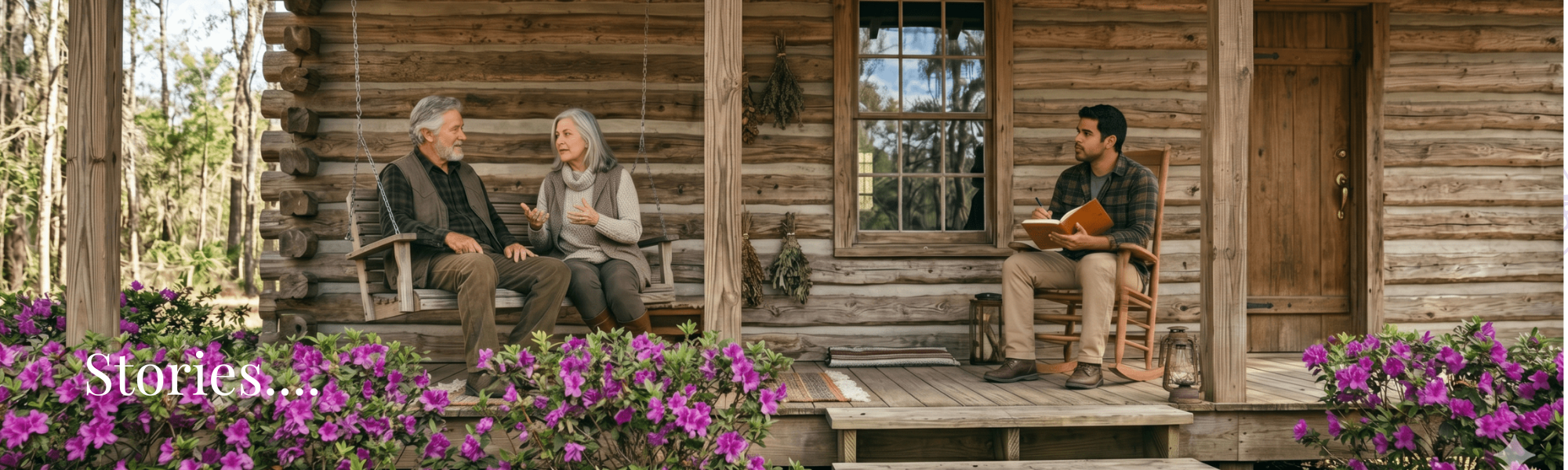
I love Wonderkeeper stories. I’d like to share how I fell in love with them.
Stories → Emotional Connection → Personal Identification → Legacy Giving
“Humans are not ideally set up to understand logic; they are ideally set up to understand stories.” – Roger Shank
← Researchers, educators, influencers, and great books on storytelling for fundraising and donor relations – including studies in psychology and medical research.